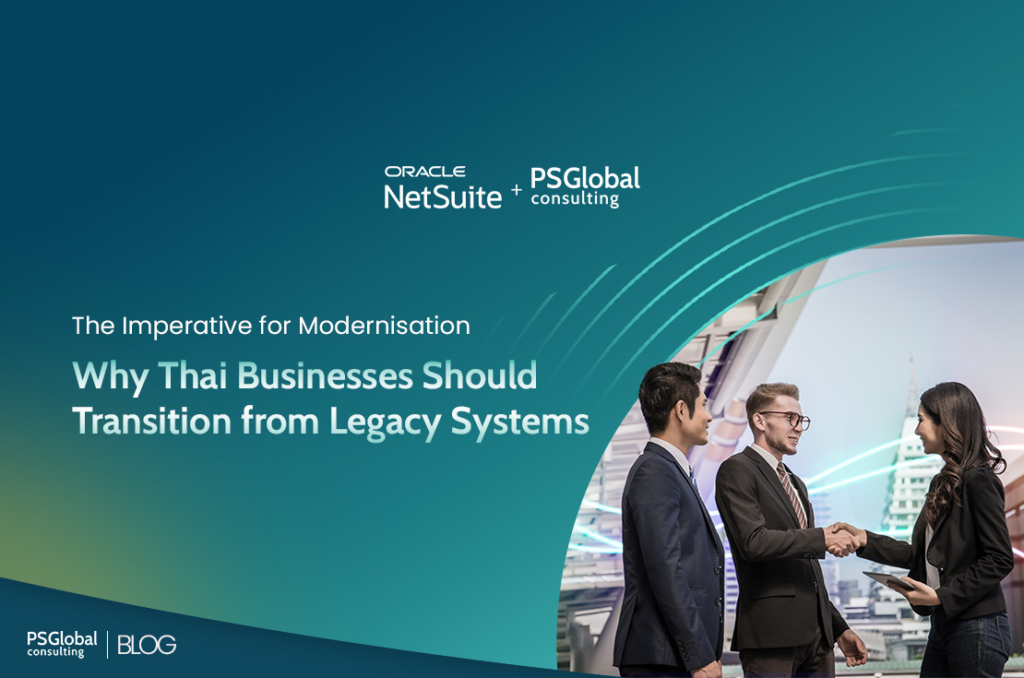
Thailand’s digital economy is experiencing rapid growth, yet many enterprises continue to rely on outdated legacy systems. These systems, which often form the core of long-established businesses, subtly deplete resources and hinder innovation. The costs associated with them are often hidden and go far beyond mere maintenance. For Thai organisations to effectively compete in today’s fast-paced market and achieve sustainable digital transformation, it is crucial to understand and address these burdens.
The True Cost of Maintaining the Past
Legacy systems consume a large portion of IT budgets in Thai enterprises, with up to 60% to 80% of spending directed toward maintenance instead of innovation1. This leaves little room for investment in technologies that drive growth. The outdated architecture of these systems makes integration with modern digital tools challenging, creating isolated data silos, redundant workflows, and slower decision-making.
Security and Compliance Risks
Legacy systems are more susceptible to cyber threats and compliance violations due to their lack of advanced security updates or cloud-grade resilience. This significantly elevates the risk of data loss, downtime, and reputational harm for businesses. Industries with strict regulations, such as banking or manufacturing, face critical operational and compliance risks from these vulnerabilities, which can hinder their long-term competitive edge.
The Human Factor: Productivity and Skills
Beyond the technical issues, Legacy systems hinder employee efficiency and morale due to outdated interfaces and manual data entry. This also escalates costs and slows innovation, as organisations face difficulties in finding IT professionals with the specific skills required to maintain these obsolete systems.
Barriers to Innovation and Growth
Due to legacy systems, Thai enterprises struggle with complete digital transformation, which limits the integration of AI, automation, and analytics. This lack of agility hinders their ability to meet changing customer expectations, market shifts, and regional expansion opportunities. Relying on outdated systems can severely affect competitive sectors like retail and manufacturing.
Challenges Unique to Thai Enterprises
Companies in Thailand encounter distinct hurdles when embarking on modernisation initiatives. A significant impediment is the dependence of essential systems, like core banking platforms, on obsolete legacy applications, complicating the transition to cloud-based solutions. Furthermore, many enterprises are reluctant to abandon their existing data centre investments due to worries about security and regulatory adherence. This hesitation traps businesses in expensive maintenance routines, ultimately hindering their ability to scale and innovate.
Key Hidden Costs in Thai Enterprises
- High maintenance and support expenses, often several times greater than those of modern cloud systems
- Integration barriers that create data silos and duplication
- Increased cybersecurity vulnerabilities and compliance risks
- Reduced employee productivity due to fragmented systems
- Inability to adopt automation or AI technologies
- Difficulty in attracting IT talent skilled in outdated technologies
- Opportunity costs from slow response to market changes
How NetSuite Changes the Game
For Thai enterprises looking to modernise, Oracle NetSuite provides a comprehensive, cloud-based solution that eliminates the complexities of legacy systems. This unified platform integrates finance, operations, CRM, and supply chain management, effectively breaking down data silos and automating manual processes. The result is improved efficiency, real-time visibility across departments, and faster, data-driven decision-making.
NetSuite’s scalability is particularly beneficial for growing Thai businesses expanding regionally or globally. Its flexible architecture supports multi-currency transactions, tax compliance, and adherence to local regulatory requirements, enabling companies to scale without significant system overhauls. Furthermore, security and compliance are enhanced through continuous updates, cloud-native resilience, and robust governance controls.
By shifting from legacy infrastructure to a unified cloud ERP like NetSuite, Thai enterprises can:
- Reduce maintenance and IT costs by consolidating multiple systems
- Enhance productivity with intuitive, automated workflows
- Improve decision-making through real-time analytics and reporting
- Strengthen data security and compliance
- Empower innovation by enabling integration with AI and automation tools
Moving Forward
The path to modernisation begins with strategic planning and a clear vision for digital transformation. By gradually migrating to cloud-based systems like NetSuite, adopting modern integration tools, and investing in workforce upskilling, Thai enterprises can reduce technical debt and unlock new opportunities for growth.
For organisations across Thailand, the question is no longer whether to modernise, but how quickly they can do so. With NetSuite, enterprises can move beyond the hidden costs of legacy systems and embrace a future defined by agility, innovation, and long-term resilience.

- Adam Winchester, September 2025, The Hidden Cost of Legacy Systems: Why Enterprises Bleed Millions Through Inefficiency, https://crmdeveloper.com.au/2025/09/30/the-hidden-cost-of-legacy-systems-why-enterprises-bleed-millions-through-inefficiency/ ↩︎